
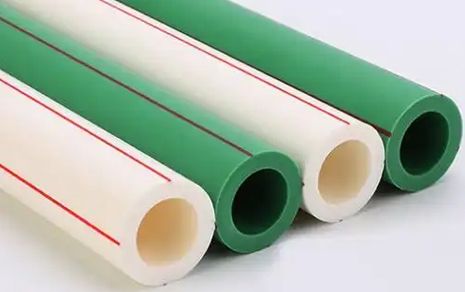
High-Performance Polybutylene Piping System for Potable Water & Heating Applications
Product Overview
The PB Water Supply Pipe is a premium piping system manufactured from Polybutylene (PB), a high-performance thermoplastic renowned for its exceptional flexibility, thermal stability, and long-term durability. Combining the advantages of both metal and traditional plastic pipes, PB offers superior resistance to high temperatures, excellent creep strength, and remarkable flexibility that simplifies installation. Designed for residential, commercial, and industrial applications including potable water distribution, underfloor heating, and radiator connections, PB pipes deliver reliable performance with a service life exceeding 50 years.
Material & Construction
Polybutylene (PB) is a semi-crystalline thermoplastic polymer characterized by its unique molecular structure, which provides outstanding resistance to creep deformation under sustained pressure and elevated temperatures. PB is classified as a high-performance material for pressure piping applications.
| Property | Specification |
|---|---|
| Material | Polybutylene (PB) |
| Density | Approximately 0.94 g/cm³ |
| Structure | Homogeneous single-layer construction |
| Color | Grey, white, or natural (typically grey for PB) |
| Standards | Compliant with ISO 15876, DIN 16968/16969, and international plumbing standards |
The homogeneous wall construction ensures consistent mechanical properties throughout the pipe, eliminating risks associated with delamination or layer separation.
Key Technical Advantages
Exceptional Flexibility
PB
pipes offer outstanding flexibility, allowing them to be bent and
coiled without requiring additional fittings. This property
significantly reduces the number of joints required, minimizes potential
leak points, and enables faster installation in confined spaces. The
pipe can be bent to a radius as low as 5 times the outer diameter without special tools.
High Temperature Resistance
PB maintains excellent performance at elevated temperatures, with continuous operating capability up to 90°C and the ability to withstand peak temperatures of 110°C for short durations. This makes PB particularly well-suited for
high-temperature applications such as radiator connections and solar
thermal systems.
Superior Creep Strength
Unlike
many other thermoplastics, PB exhibits exceptional resistance to
long-term creep deformation under sustained pressure and temperature.
This translates to superior long-term hydrostatic strength and a proven
service life exceeding 50 years.
Excellent Impact Resistance
PB
retains its impact strength even at low temperatures, maintaining
flexibility and toughness in cold weather installations without risk of
cracking or brittleness.
Smooth Inner Wall
The
inner surface features a low friction coefficient, resulting in minimal
pressure loss, reduced pumping energy requirements, and resistance to
sediment accumulation and scale buildup.
Corrosion & Scale Resistance
PB
is completely immune to electrochemical corrosion, rust, and mineral
scale buildup, preserving water quality and maintaining flow capacity
throughout the system's service life.
Non-Toxic & Hygienic
Manufactured
from food-grade, non-toxic materials, PB pipes do not leach chemicals
or heavy metals into the water stream, complying with international
drinking water standards.
Low Thermal Conductivity
With
thermal conductivity significantly lower than metal pipes, PB minimizes
heat loss in hot water and heating systems, contributing to improved
energy efficiency.
Sound Dampening
PB pipes effectively reduce water flow noise compared to metal piping systems, contributing to quieter plumbing installations.
Freeze Resistance
The
inherent flexibility of PB allows the pipe to expand slightly when
water freezes, reducing the risk of rupture compared to rigid piping
materials.
Applications
Our PB Water Supply Pipes are widely used in:
Hot & Cold Potable Water Supply
Residential, commercial, and industrial drinking water distribution systems
Underfloor Heating Systems
Radiant floor heating networks requiring flexibility and high-temperature resistance
Radiator Connections
Hot water supply and return lines for panel radiators and baseboard heaters
HVAC Systems
Chilled water and heating water distribution in mechanical systems
Solar Thermal Systems
High-temperature applications in solar water heating installations
Compressed Air Systems
Where compatible with material specifications
Industrial Fluid Transport
Conveyance of aggressive fluids, chemicals, and process water
Renovation & Retrofitting
Ideal for replacing existing metal piping systems due to flexibility and ease of installation
Installation Method
PB pipes offer multiple installation options, providing flexibility for diverse project requirements:
1. Mechanical Press Fittings
PB
pipes can be joined using stainless steel or brass press fittings with
elastomeric seals. This method requires no heat, no curing time, and
allows immediate pressure testing. Press connections are reliable,
watertight, and suitable for both exposed and concealed installations.
2. Socket Fusion Welding
Similar
to PPR systems, PB pipes can be joined using heat fusion tools at
controlled temperatures, creating homogeneous, leak-proof connections.
3. Electrofusion
Electrofusion
fittings provide a reliable joining method for PB pipes, particularly
in larger diameters or demanding applications.
4. Compression Fittings
Standard compression fittings can be used for connections to fixtures, valves, and transition points.
| Method | Advantages |
|---|---|
| Press Fittings | No heat; immediate testing; fast installation; suitable for tight spaces |
| Socket Fusion | Homogeneous joints; permanent connections; no gaskets or sealants |
| Electrofusion | Consistent quality; suitable for larger diameters |
Comparative Advantages
| Property | PB Pipe | PPR Pipe | Copper Pipe |
|---|---|---|---|
| Flexibility | Excellent | Moderate | None |
| Continuous Temperature | 90°C | 70°C | >100°C |
| Creep Resistance | Excellent | Good | N/A |
| Corrosion Resistance | Excellent | Excellent | Moderate |
| Installation Speed | Fast (press fittings) | Moderate | Slow (soldering) |
| Number of Joints | Fewer (coils) | More (straight lengths) | Many |
| Freeze Resistance | High | Moderate | Low |
Technical Specifications
| Parameter | Specification |
|---|---|
| Material | Polybutylene (PB) |
| Pressure Ratings | PN10, PN16, PN20, PN25 (1.0 MPa to 2.5 MPa) |
| Temperature Range | Continuous: up to 90°C; Peak: 110°C |
| Minimum Bend Radius | Approximately 5 × OD (without heating) |
| Thermal Conductivity | Approximately 0.22 W/(m·K) |
| Coefficient of Thermal Expansion | Approximately 1.3 × 10⁻⁴ /K |
| Standards Compliance | ISO 15876, DIN 16968/16969, DVGW, WRAS (as applicable) |
Quality Assurance
All PB water supply pipes are manufactured under strict quality control systems in accordance with international standards. Our products undergo rigorous testing for:
Hydrostatic pressure resistance at elevated temperatures
Long-term creep rupture strength (extrapolated to 50+ years)
Dimensional accuracy and wall thickness uniformity
Melt flow index and material homogeneity
Resistance to oxidative degradation
Compliance with drinking water safety standards
Compliance with applicable industry specifications ensures consistent quality, safety, and reliable performance across diverse plumbing applications.
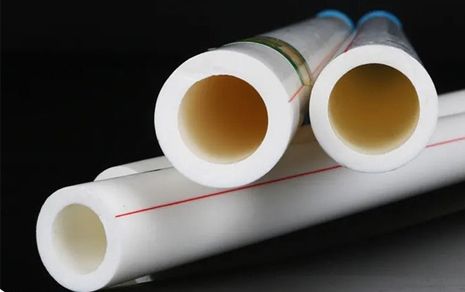
The product undergoes strict quality control at every stage of development, manufacturing, production, and delivery, making the concept of "quality is life" deeply ingrained in people's hearts.


 ceo@huibangpipe.com

 86+13383610646