
High-Performance Flexible Piping System for Secondary Heating Networks & Building Connections
Product Overview
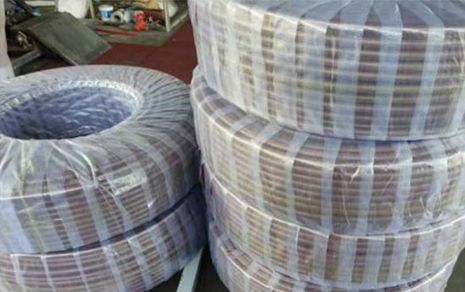
The PE-RT II Type Municipal Heating Pipe is a flexible, pre-insulated piping system designed specifically for district heating secondary networks, building service connections, and underground hot water transmission. Combining a high-temperature-resistant PE-RT II (Polyethylene of Raised Temperature Resistance, Type II) carrier pipe with advanced polyurethane foam insulation and a durable outer protective casing, this system offers a reliable, energy-efficient, and cost-effective solution for modern heating infrastructure.
Designed as a superior alternative to traditional steel pipe systems, PE-RT II provides exceptional corrosion resistance, flexibility, and long-term durability, making it the preferred choice for municipal heating projects worldwide.
System Structure
The PE-RT II pre-insulated pipe features a three-layer composite construction:
| Layer | Material | Function |
|---|---|---|
| Carrier Pipe | PE-RT II (Polyethylene of Raised Temperature Resistance, Type II) | High-temperature-resistant inner pipe for hot water transport; corrosion-proof and chemically inert |
| Insulation Layer | Rigid Polyurethane Foam (PUR/PIR) | Provides exceptional thermal insulation; minimizes heat loss and ensures energy efficiency |
| Outer Casing | High-Density Polyethylene (HDPE) | Offers mechanical protection, water-tightness, and resistance to soil chemicals and UV exposure |
This integrated structure ensures long-term operational reliability while maintaining low thermal conductivity and high resistance to external loads.
Key Technical Advantages
High Temperature & Pressure Resistance
PE-RT II material enables continuous operation at temperatures up to 95°C, with the ability to withstand peak temperatures of 110°C.
It maintains stable performance under pressures typical of district
heating secondary networks, ensuring reliable hot water delivery.
Superior Corrosion Resistance
Unlike
steel pipes, PE-RT II is completely immune to electrochemical
corrosion, rust, and scaling. This eliminates the need for cathodic
protection systems, reduces maintenance costs, and significantly extends
service life beyond that of traditional metal piping.
Exceptional Flexibility
The
inherent flexibility of PE-RT II allows the pipe to be coiled and
delivered in long lengths, reducing the number of joints required. It
accommodates thermal expansion naturally without the need for expansion
loops or compensators, simplifying installation and lowering material
costs.
Low Thermal Conductivity
The polyurethane foam insulation layer achieves a thermal conductivity as low as 0.023 W/(m·K),
effectively minimizing heat loss during transmission. This translates
to improved system energy efficiency and reduced operating costs for
district heating networks.
Leak Detection System Compatible
The system can be integrated with optional leak detection wires embedded in the insulation layer, enabling continuous monitoring of
pipeline integrity. Early warning of water ingress allows for timely
intervention, preventing system failure and minimizing repair costs.
Long Service Life
Designed for a service life exceeding 50 years under normal operating conditions, PE-RT II piping systems offer long-term reliability with minimal maintenance requirements.
Lightweight & Easy Installation
Significantly
lighter than steel equivalents, PE-RT II pipes reduce transportation
costs, require less heavy lifting equipment, and enable faster
installation. The ability to use butt fusion welding creates
homogeneous, leak-proof joints that match the strength of the pipe
itself.
Applications
Our PE-RT II Type Municipal Heating Pipe is widely used in:
District Heating Secondary Networks
Distribution pipelines from heat exchange substations to end-user buildings
Building Service Connections
Underground connections between district heating mains and residential or commercial buildings
Geothermal Heating Systems
Buried piping for ground-source heat pump applications
Industrial Hot Water Transport
Process water and industrial heating applications requiring corrosion-resistant piping
Urban Infrastructure Renovation
Replacement of aging steel heating networks with modern, maintenance-free PE-RT II systems
Hotel, Hospital & Campus Heating Networks
Reliable hot water distribution for large-scale facility complexes
Installation Method
PE-RT II pipes are joined using butt fusion welding, which creates seamless, monolithic joints that are as strong as the carrier pipe itself. The outer HDPE casing is sealed using electrofusion or heat-shrinkable sleeves, ensuring continuous water-tight protection. Installation can be performed using either:
Open Trench Method: Traditional excavation with sand bedding and backfill
Trenchless Installation: Directional drilling or pipe pulling for minimal surface disruption
The system's flexibility allows for installation in curved alignments, reducing the number of fittings and potential leak points.
Quality Assurance
All products are manufactured under strict quality control systems in accordance with international standards. Our PE-RT II pipes undergo rigorous testing for:
Hydrostatic pressure resistance at elevated temperatures
Thermal insulation performance (thermal conductivity)
Long-term creep rupture strength
Fusion joint integrity
Dimensional accuracy and concentricity
Compliance with applicable industry specifications ensures consistent quality, safety, and reliable performance across municipal heating infrastructure projects.
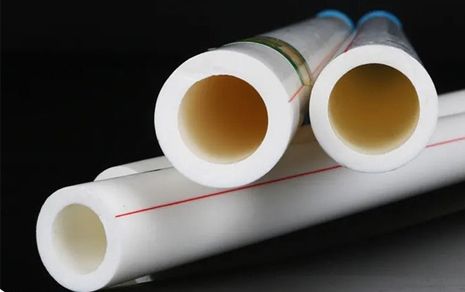
The product undergoes strict quality control at every stage of development, manufacturing, production, and delivery, making the concept of "quality is life" deeply ingrained in people's hearts.



 ceo@huibangpipe.com

 86+13383610646